Understanding Manual Transmission
Driving a manual car can seem intimidating at first, but with practice and a good understanding of the mechanics, it becomes second nature. Unlike automatic cars, manual vehicles require the driver to manually engage the gears using a clutch and gear stick. This gives the driver more control over the car’s performance, especially in challenging driving conditions such as steep hills or wet roads.
Manual transmission vehicles typically have three pedals: the clutch (left), brake (middle), and accelerator (right). The gear stick is usually located between the front seats and allows the driver to switch between gears depending on the car’s speed and performance needs.
Getting Familiar with the Controls
Before driving, take time to sit in the driver’s seat and familiarize yourself with the layout of the pedals, gear stick, and clutch. Press the clutch pedal all the way down with your left foot before turning on the engine. This disconnects the engine from the wheels, allowing you to shift gears safely.
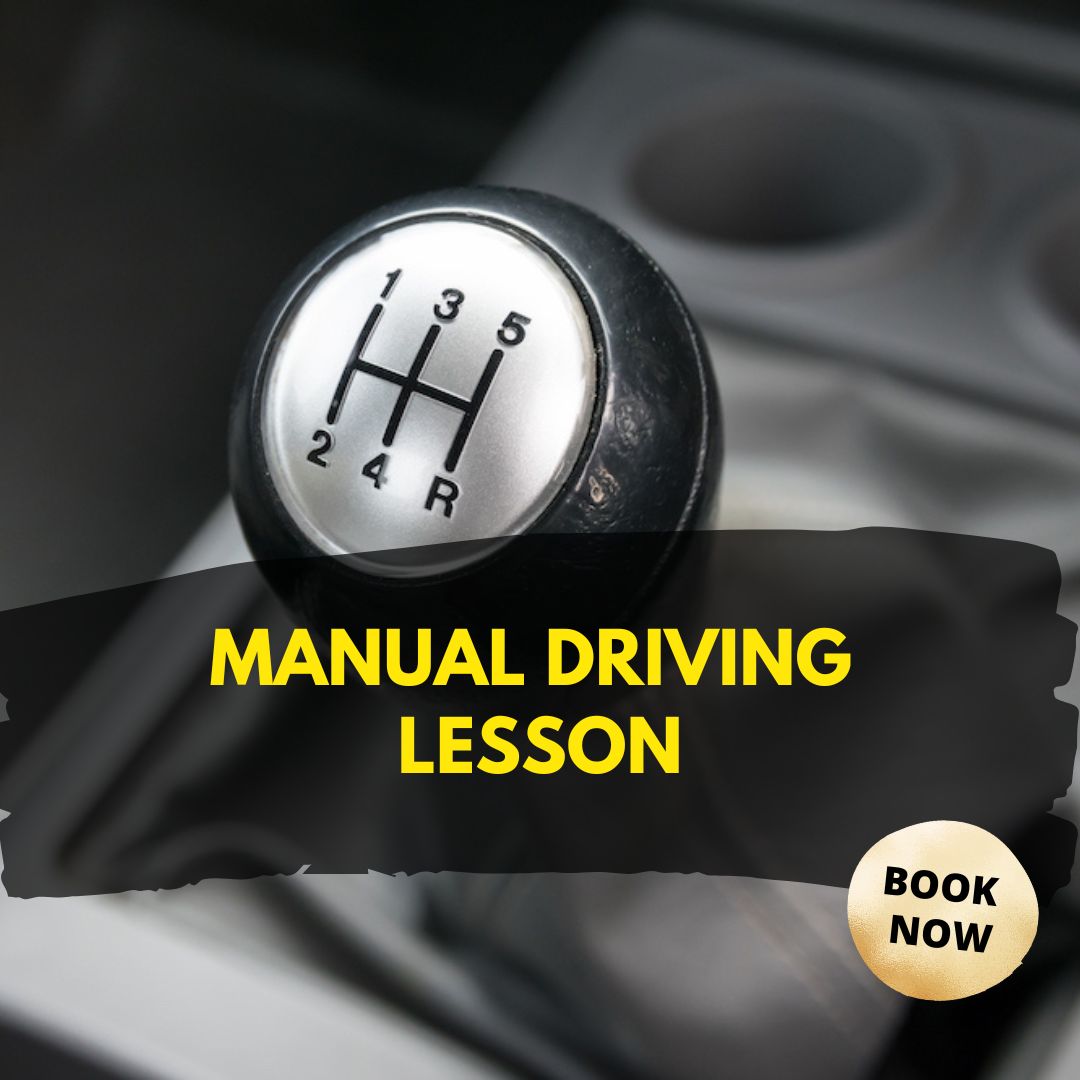
Practice moving the gear stick through the different gear positions while the engine is off. Most manual cars have five or six forward gears and one reverse gear. It’s important to learn the gear pattern, which is usually printed on top of the gear knob.
Starting the Car and Moving Off
Once you’re comfortable with the layout, it’s time to start the car. Press the clutch pedal fully, place the gear stick in first gear, and start the engine. Slowly release the clutch pedal while gently pressing the accelerator. This balance between clutch release and acceleration is known as the “biting point.” When done correctly, the car will begin to move forward without stalling.
If the clutch is released too quickly or without enough acceleration, the car may jerk or stall. Don’t worry—this is common for beginners. Practicing in an open, flat area with little traffic can help you master this technique faster.
Changing Gears Smoothly
As the car gains speed, you’ll need to shift into higher gears. To do this, release the accelerator, press the clutch pedal fully, move the gear stick to the next gear, and then slowly release the clutch while pressing the accelerator. Smooth gear changes are essential for maintaining control and comfort.
Downshifting, or moving to a lower gear, is necessary when slowing down or driving uphill. It works the same way but requires more attention to the engine’s sound and speed. Listen to the engine; a high-pitched sound usually indicates it’s time to shift up, while a low-pitched grunt means it may be time to downshift.
Practicing Stops and Hill Starts
To stop a manual car, press the clutch and brake pedals simultaneously. Once stopped, shift the gear stick to neutral and release the clutch. When parked, apply the handbrake to prevent the car from rolling.
Hill starts can be challenging, especially for beginners. To prevent rolling backward, use the handbrake. Press the clutch, shift to first gear, and press the accelerator while gradually releasing the clutch. As you feel the car pull forward, release the handbrake and continue driving.
For drivers interested in a smoother learning curve, you can also check out this helpful guide on how to drive an automatic car, which contrasts the simpler process of driving without a clutch.
Final Tips for Manual Driving
Learning to drive a manual car takes patience and consistent practice. Always remain calm, especially in traffic. Pay attention to the road while being mindful of your clutch and gear movements. Over time, shifting gears and coordinating your pedals will become second nature.
Manual cars offer greater control and fuel efficiency and can be more fun to drive once you get the hang of it. Whether you’re driving for everyday needs or planning a road trip, mastering manual transmission is a rewarding skill.