Understanding Driving Lesson Hourly Rates
When you decide to learn how to drive, one of the most important considerations is the cost. Driving lesson hourly rates can vary based on several factors, including your location, the experience of the instructor, and whether you choose manual or automatic lessons. It’s crucial to understand what goes into the pricing so that you can make an informed decision that suits both your learning needs and your budget.
In most UK towns and cities, hourly rates for driving lessons range from £25 to £40. However, in high-demand urban areas, it can be slightly more. This fee typically includes vehicle use, fuel, insurance, and the instructor’s time. Some instructors also offer introductory discounts or packages that make learning more affordable over time.
Factors That Affect Hourly Driving Lesson Rates
Many learners wonder why there’s such a wide range in lesson prices. Several elements influence the hourly rate of a driving lesson. One major factor is the instructor’s qualifications. Fully qualified ADIs (Approved Driving Instructors) usually charge more than trainee instructors, but they often bring more experience and a higher pass rate.
The type of car used—manual or automatic—also impacts the cost. Automatic lessons are often more expensive due to the higher cost and maintenance of automatic vehicles. Additionally, demand can affect prices. In areas where there’s a shortage of instructors or a high number of learners, rates may rise accordingly.
Some instructors operate independently, while others work with established driving schools. Larger schools may charge more to cover admin fees, advertising, and other business expenses. However, they may offer more flexible scheduling or additional learning resources.
Manual vs Automatic: Which Affects Cost More?
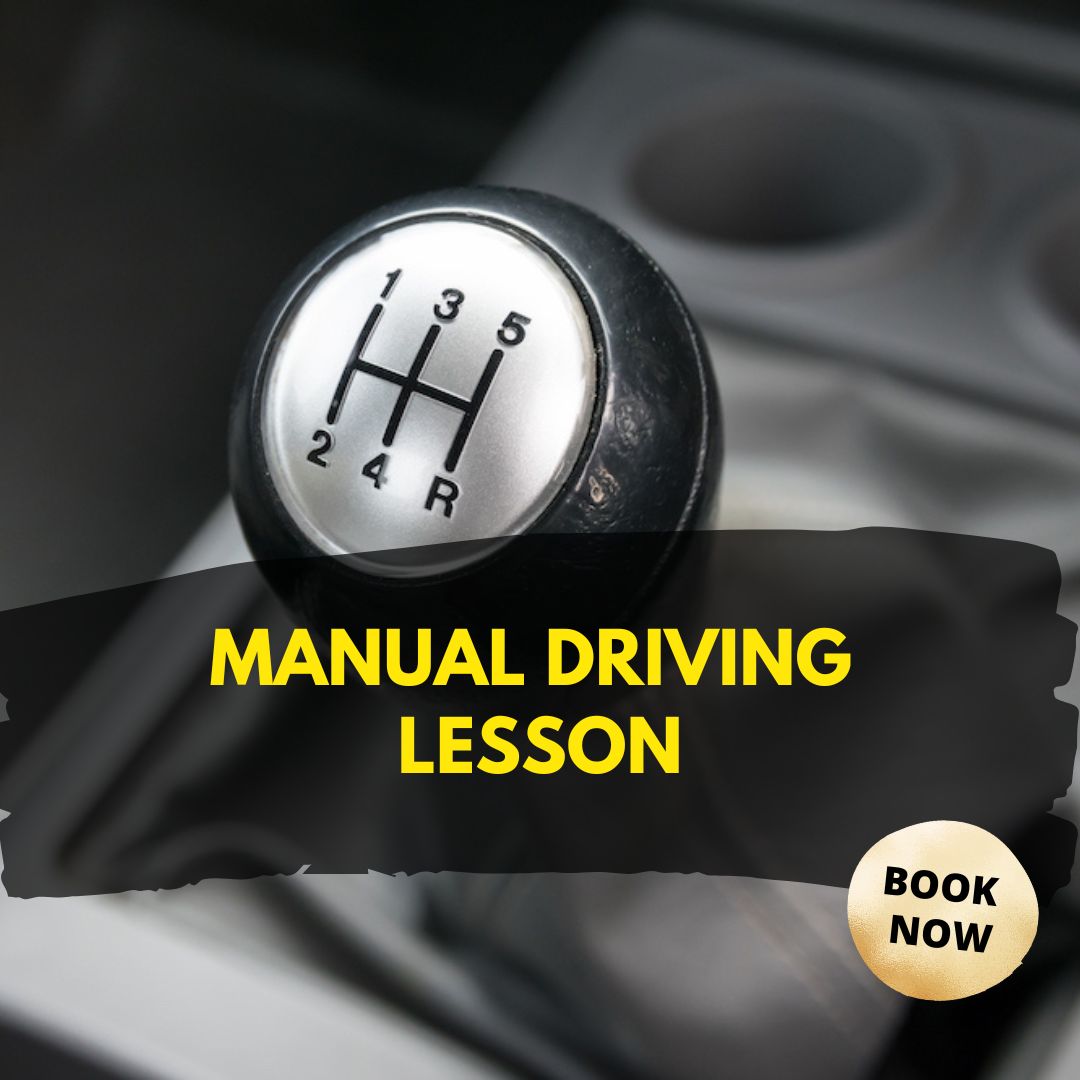
Manual driving lessons are generally cheaper than automatic ones. While automatic vehicles are easier to learn for some, they come with a premium. Manual lessons are more common and can be more economical in the long run. They also offer greater flexibility after passing your test, as a manual licence allows you to drive both types of vehicles.
However, it’s not just about the hourly rate. You should also consider how many lessons you might need. Some learners grasp manual controls faster, while others might find automatic driving more intuitive and therefore need fewer lessons overall.
Choosing between manual and automatic should depend on your confidence, goals, and comfort. Budget is important, but so is your overall learning experience.
Saving Money on Your Driving Lessons
To reduce your overall spending, look for bulk lesson packages. Many instructors offer 5, 10, or even 20-hour packages at discounted rates. Booking in bulk not only saves money but also secures your preferred lesson times.
Another tip is to practice between lessons if possible. Learners who have access to a family member’s car (and appropriate insurance) can reinforce their skills and progress faster. More confidence often means fewer paid hours with your instructor.
Also, keep an eye on introductory offers. Some schools provide the first lesson at a reduced price or even free, allowing you to try before committing. It’s a great way to see if you’re comfortable with the instructor and their teaching style.
Finding a Reliable Instructor
Not all instructors are the same, so it’s wise to do your research. Look at online reviews, pass rates, and local recommendations. An instructor with a solid track record may charge more, but their guidance could lead to fewer lessons and a quicker path to passing your test.
If you’re considering a long-term career in this field, you might want to look into becoming an instructor yourself. Learn more about how to become a driving instructor in Blackburn and potentially turn your passion into a profession.
Conclusion
Driving lesson hourly rates reflect a combination of the instructor’s experience, location, vehicle type, and lesson structure. While it may be tempting to go with the cheapest option, value and quality of instruction should always come first. With careful planning, comparison, and perhaps a package deal, you can make the most of your learning journey without overspending.