Automatic vs Manual Driving Lessons
When learning to drive, one of the first decisions you’ll need to make is whether to take automatic or manual driving lessons. This choice can significantly impact your driving experience, not just during your lessons, but also in the years to come. Each option has its advantages and drawbacks, depending on your needs, location, and long-term goals as a driver.
Advantages of Manual Driving Lessons
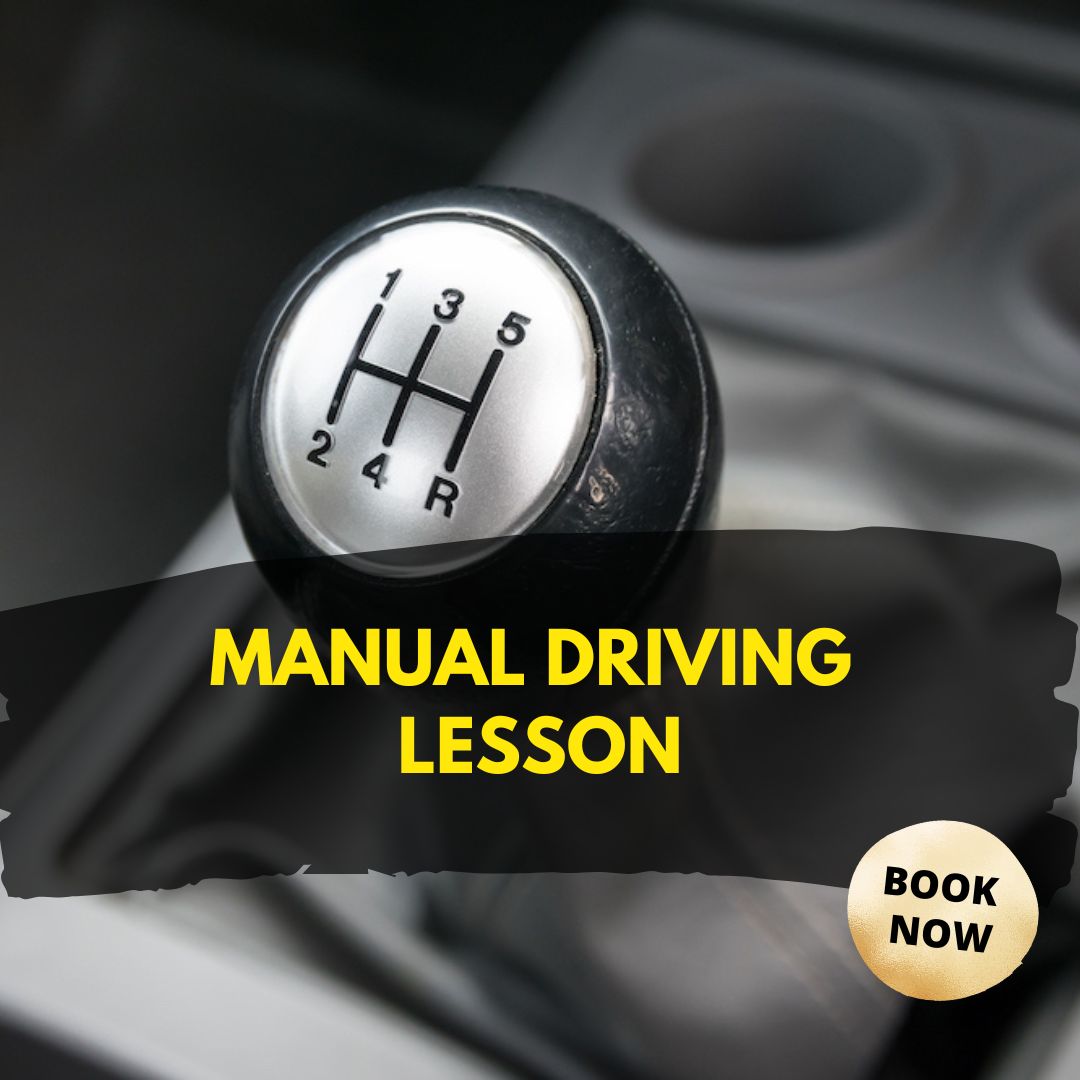
Manual lessons teach you how to operate a car with a manual transmission, which means you’ll be responsible for changing gears using a clutch and gear stick. While this might seem intimidating at first, there are several benefits to learning manual:
Greater control: Manual cars give drivers more control over acceleration and deceleration, which can be especially useful in poor weather or on hilly roads
More vehicle options: Learning to drive a manual allows you to drive both manual and automatic cars, giving you more flexibility when buying or renting
Lower vehicle cost: Manual cars are often cheaper to purchase and maintain compared to automatic models
However, mastering the clutch and gear changes can take time and patience. Manual driving lessons typically require more hours behind the wheel, especially for nervous or first-time drivers.
Benefits of Automatic Driving Lessons
Automatic cars have no clutch and change gears for you. This can simplify the learning process considerably, especially for those who want to focus on road awareness and hazard perception rather than vehicle mechanics.
Easier to learn: Without the need to change gears, learners can often progress more quickly and pass their test in fewer lessons
Less stress in traffic: Driving in stop-and-go traffic is less tiring in an automatic, as there’s no need for constant clutch control
Better for nervous drivers: Those who are anxious about driving may find it easier to build confidence in an automatic car
If you’re interested in a supportive environment, especially if you’re feeling uneasy about learning to drive, consider taking nervous driving lessons for extra reassurance and structured guidance.
Which One is Right for You?
The right choice depends largely on your personal preferences and long-term driving plans. If you’re planning to drive in a rural area with older or manual vehicles, or if you want the flexibility to drive any car, then manual lessons may be the better option. On the other hand, if you primarily drive in urban areas with heavy traffic, or want to get your licence quickly, automatic lessons could be more suitable.
It’s also worth noting that if you pass your test in an automatic car, your licence will only allow you to drive automatics. To drive a manual, you’ll need to retake your test in a manual vehicle. Passing in a manual, however, qualifies you to drive both types.
Making the Final Decision
Before choosing your driving course, think about your confidence level, budget, and future needs. Some learners even start with automatic lessons and switch to manual once they’ve gained road confidence. Many driving schools offer both options, so you can even schedule a trial lesson in each to see what feels most comfortable.
Ultimately, whether you choose automatic or manual, the most important thing is to find a qualified instructor who tailors the lessons to your pace and learning style. Both options can lead to becoming a safe and confident driver—it’s just a matter of what path suits you best.