How Many Driving Lessons Do I Need?
Learning to drive is a major milestone for many, but one of the most common questions new learners ask is: how many driving lessons do I need? The answer isn’t the same for everyone. It depends on your individual learning pace, confidence, coordination, and prior experience with vehicles. However, some general guidelines can help you understand what to expect when starting your driving journey.
What Do the Official Guidelines Say?
According to the DVSA (Driver and Vehicle Standards Agency), the average learner driver in the UK requires around 45 hours of professional lessons and 22 hours of private practice before passing the practical driving test. This estimate serves as a baseline, but it can vary depending on several factors, including how frequently you practice and whether you’ve had previous informal driving experience.
Factors That Affect How Many Lessons You Need
Not all learners progress at the same rate. Here are some key factors that influence how many driving lessons you might need:
1. Learning Style and Confidence: Some people feel confident behind the wheel almost immediately, while others may take longer to adjust. Your comfort level with multitasking, road awareness, and quick decision-making will all influence how quickly you progress.
2. Frequency of Lessons: Taking one or two lessons a week can lead to faster learning compared to irregular sessions. Continuity helps you retain skills better and build on what you’ve learned more effectively.
3. Age and Experience: Younger learners may find it easier to learn new skills quickly, but older learners often have more focus and discipline. Previous experience with riding scooters, bikes, or informal driving in private areas can also reduce the time needed.
4. Quality of Instruction: A good driving instructor who adapts to your learning style can speed up your progress. Look for instructors who are DVSA-approved and come with positive reviews.
Should You Choose Manual or Automatic?
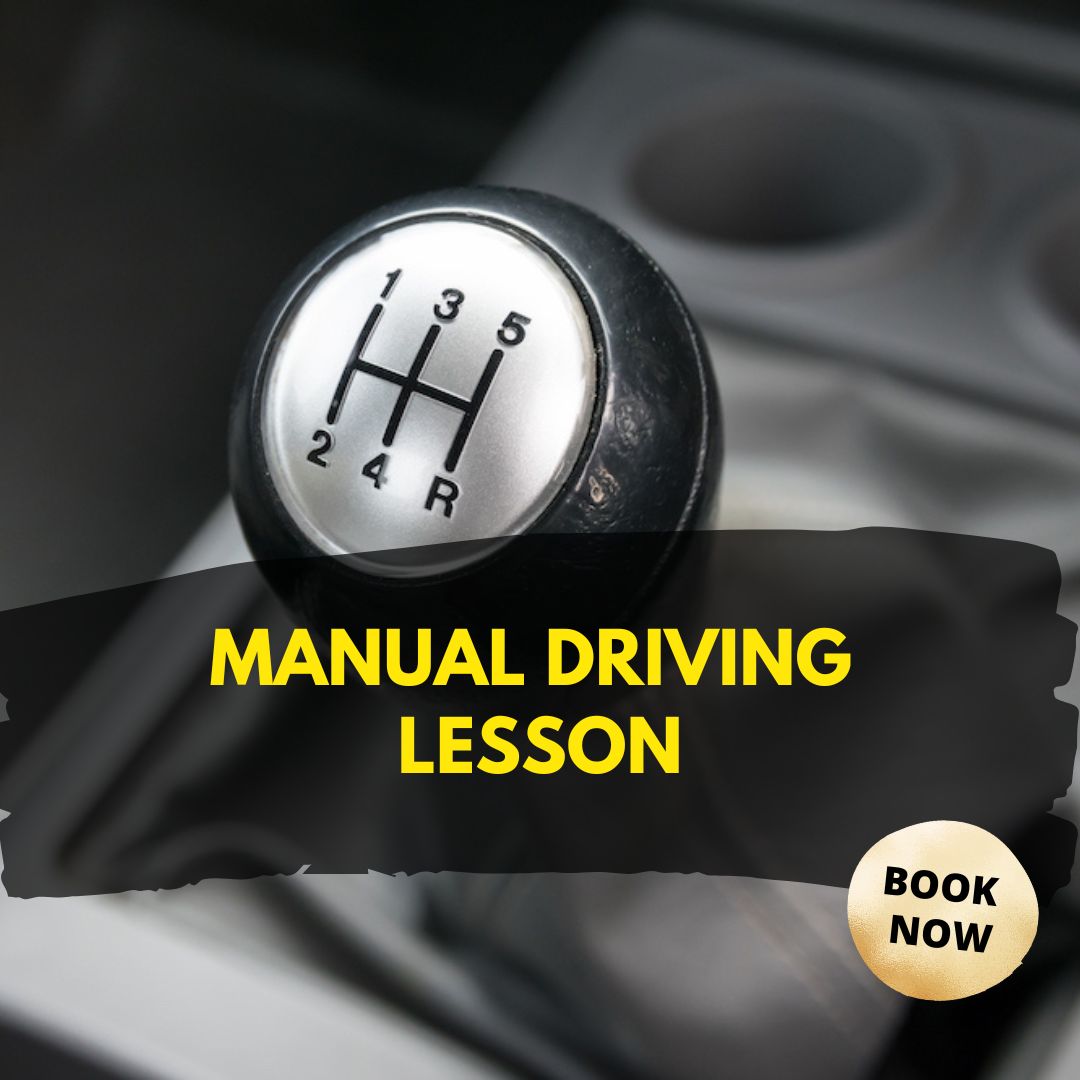
One key decision early on is whether to learn in a manual or automatic car. Manual lessons generally take longer because of the added complexity of clutch control and gear changes. If you’re planning to drive a manual vehicle after passing your test, it’s worth putting in the time now. However, automatic lessons can be quicker, especially if you’re nervous or want to simplify the process.
Just remember that passing your test in an automatic limits you to automatic cars, while passing in a manual allows you to drive both.
Can Intensive Courses Reduce the Number of Lessons?
Intensive driving courses are designed to teach you to drive over a short period—typically one to four weeks. These courses bundle multiple lessons into daily sessions, helping learners progress quickly. They’re ideal for those who need to learn within a set timeframe, such as before starting a new job or going to university.
However, intensive courses aren’t for everyone. Some learners may find the fast pace overwhelming. It’s important to be honest with yourself about how much you can absorb in a short amount of time. Spreading lessons over a few months often results in more confident and safer drivers in the long run.
If you’re considering an intensive course, you might want to read this guide on how long does it take to learn to drive for a clearer idea of what’s involved.
So, What’s the Right Number for You?
While 45 hours of lessons is the average, many learners pass with more—or fewer—hours. The best approach is to speak with your instructor after your first few lessons. They can assess your strengths, areas for improvement, and estimate how many more lessons you’ll need.
You should also track your progress. Are you improving each session? Are you comfortable driving in different road conditions, like at night or in rain? These practical markers matter more than just the number of lessons.
Ultimately, quality and consistency trump quantity. Don’t rush the process—being a confident and safe driver is far more important than how quickly you pass.