Introduction to Driving for Teenagers in the UK
Learning to drive is a major milestone in a teenager’s life, offering newfound freedom and responsibility. In the UK, teenagers can apply for a provisional driving licence at 15 years and 9 months and start lessons at 17. With the right guidance and instruction, this transition can be smooth, safe, and confidence-building. Driving lessons for teenagers are specifically designed to cater to young drivers’ learning styles and safety awareness.
Why Teenagers Need Specialised Driving Lessons
Teenagers often bring enthusiasm and adaptability to the learning process, but they also face unique challenges. Lack of experience, overconfidence, and distractions from peers or technology can all impact safe driving. That’s why many driving schools offer courses tailored specifically for teenagers. These lessons focus not only on the rules of the road but also on building defensive driving skills and situational awareness.
Another key aspect of teenage driving lessons is instilling good habits early. Habits formed during the learning phase often carry over into adulthood, making it vital to get proper instruction from the start. Instructors who work with young drivers understand how to communicate effectively, keep lessons engaging, and maintain patience throughout the learning journey.
Choosing the Right Driving School
Not all driving schools are created equal, especially when it comes to working with young learners. Parents and teenagers should look for instructors who are DVSA-approved, experienced with teenagers, and who offer a structured lesson plan. Look for schools that also offer mock tests and real-world driving scenarios, which prepare teens for both the practical driving test and everyday driving situations.
Reviews and recommendations from other learners can also help in choosing a suitable school. Some schools specialise in helping students who might be nervous or anxious about driving. One such example is Driving Lessons for Nervous Drivers, which tailors lessons for those needing extra support—something that can benefit certain teens.
The Importance of Parental Support
Parental involvement can make a big difference in a teen’s driving education. While professional instruction is crucial, practicing with a parent helps reinforce what’s learned during lessons. Parents should focus on being calm, constructive, and supportive during practice sessions. It’s also helpful for parents to refresh their own understanding of current UK driving laws, as they may have changed since they first passed their test.
Supervised driving with a parent allows teenagers to experience various driving conditions and times of day, helping them build a well-rounded skill set. However, these sessions should never replace formal instruction from a qualified driving instructor.
Preparing for the Driving Test
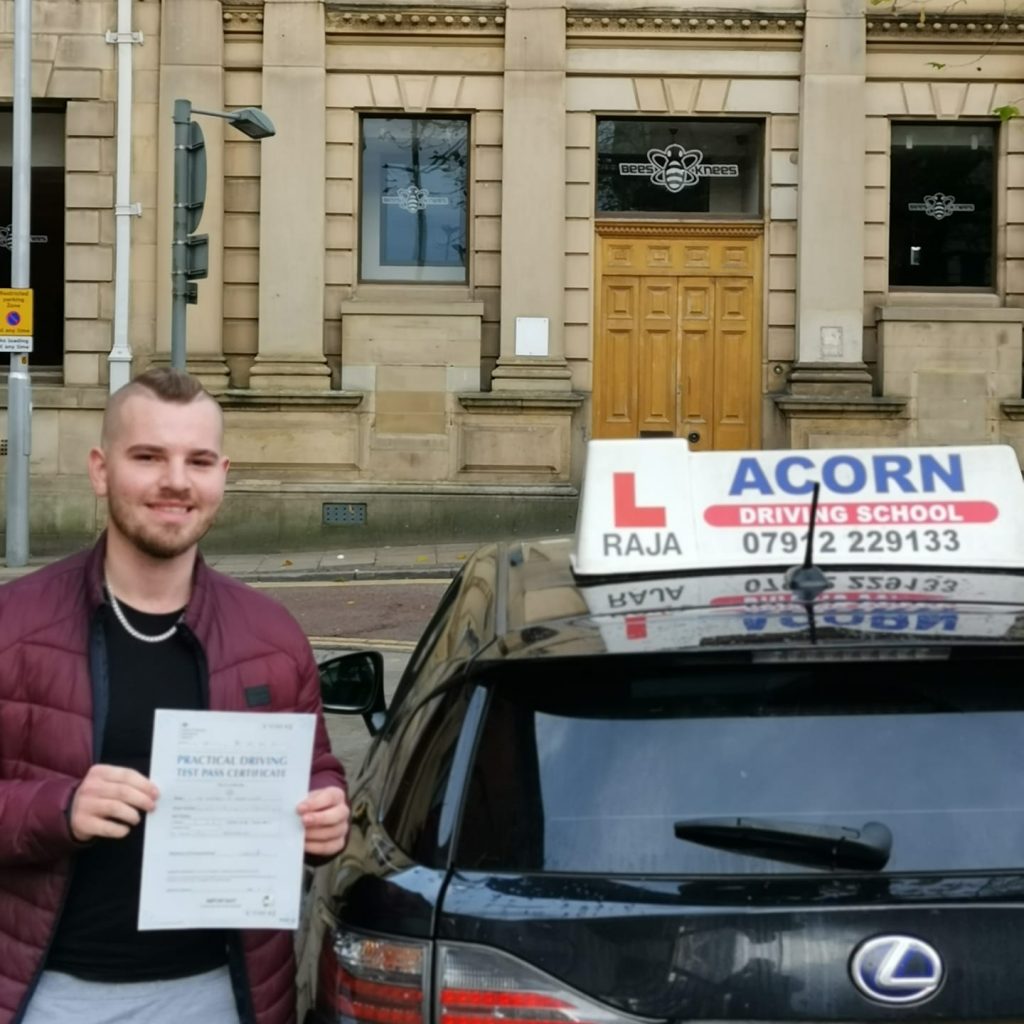
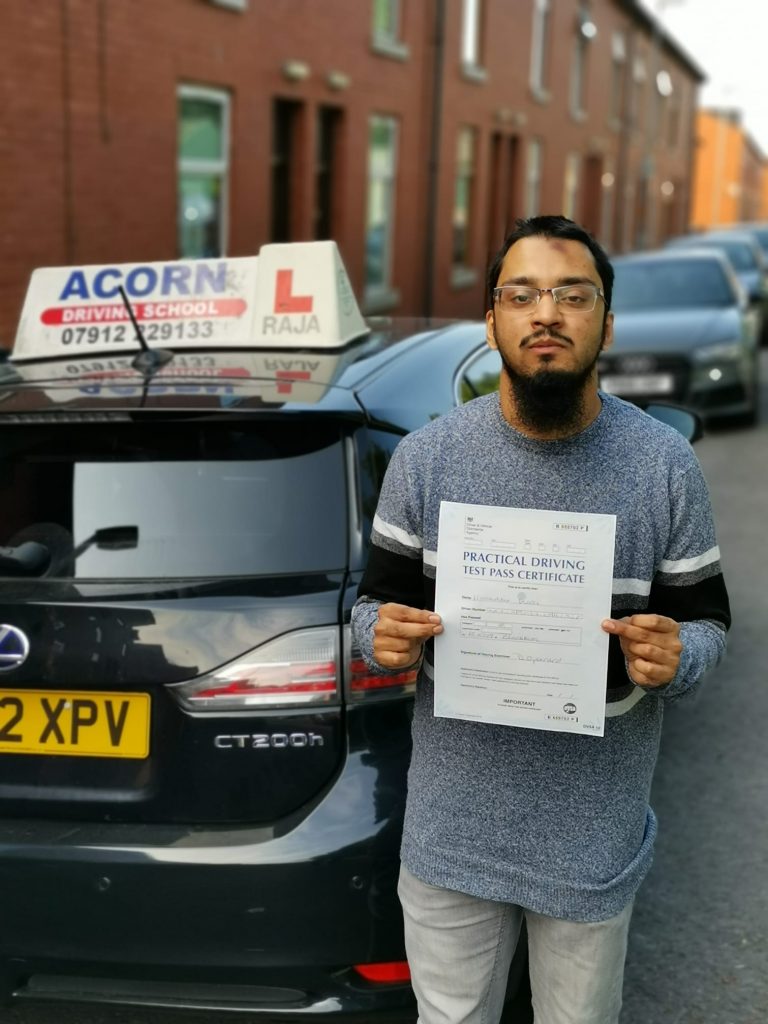
Passing the UK practical driving test involves a combination of theory knowledge, hazard perception, and practical driving ability. Teenagers should start by studying the Highway Code and practising theory questions online. Once the theory test is passed, learners can focus fully on their practical training.
During practical lessons, instructors will cover manoeuvres like parallel parking, emergency stops, and hill starts. Teens should also gain experience with different types of roads, including dual carriageways and urban traffic. Instructors often provide mock tests to simulate the actual exam, giving learners a sense of what to expect and helping reduce test-day nerves.
Conclusion
Driving lessons for teenagers in the UK are more than just a path to getting a licence—they are a foundation for a lifetime of safe driving. With the right instructor, supportive parents, and a positive mindset, teenagers can learn to navigate the road confidently and responsibly. Whether starting with high enthusiasm or some nervous energy, the journey can be a rewarding experience when guided by the right hands.