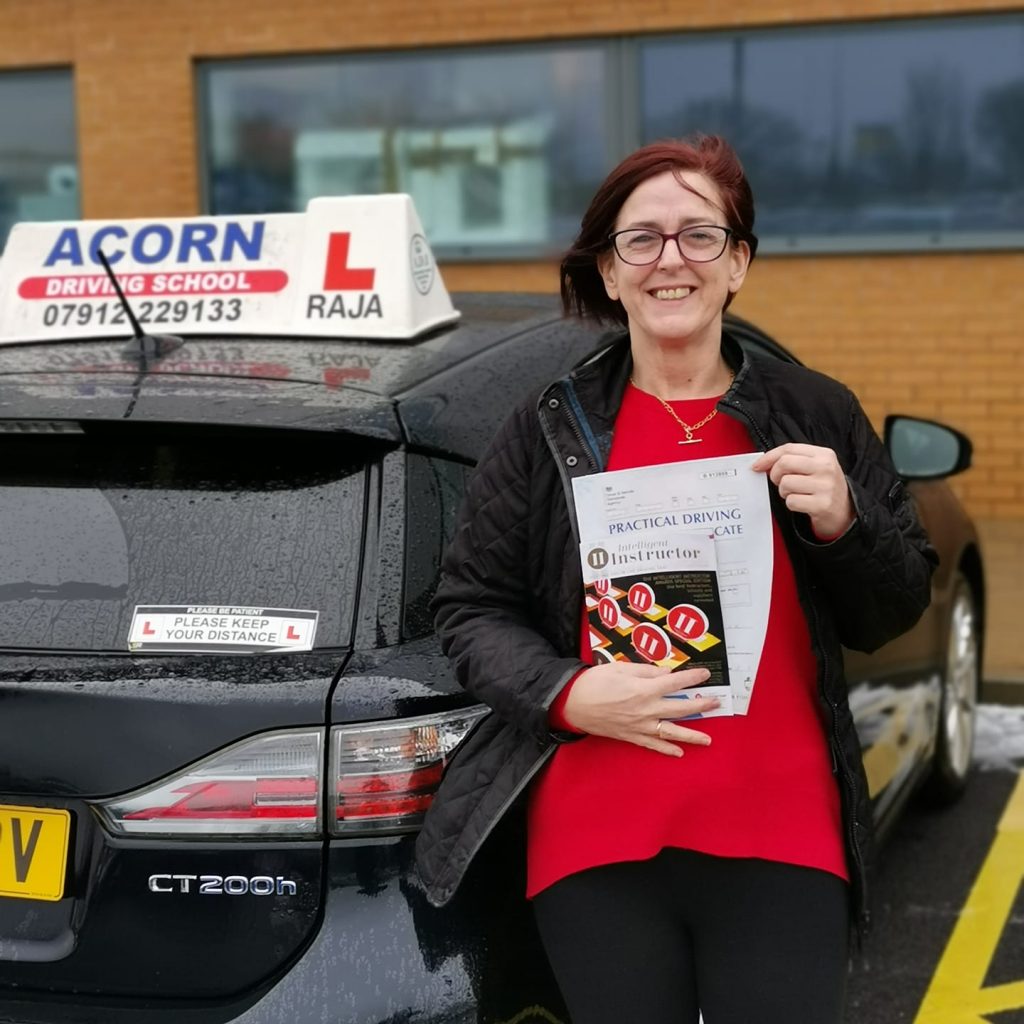
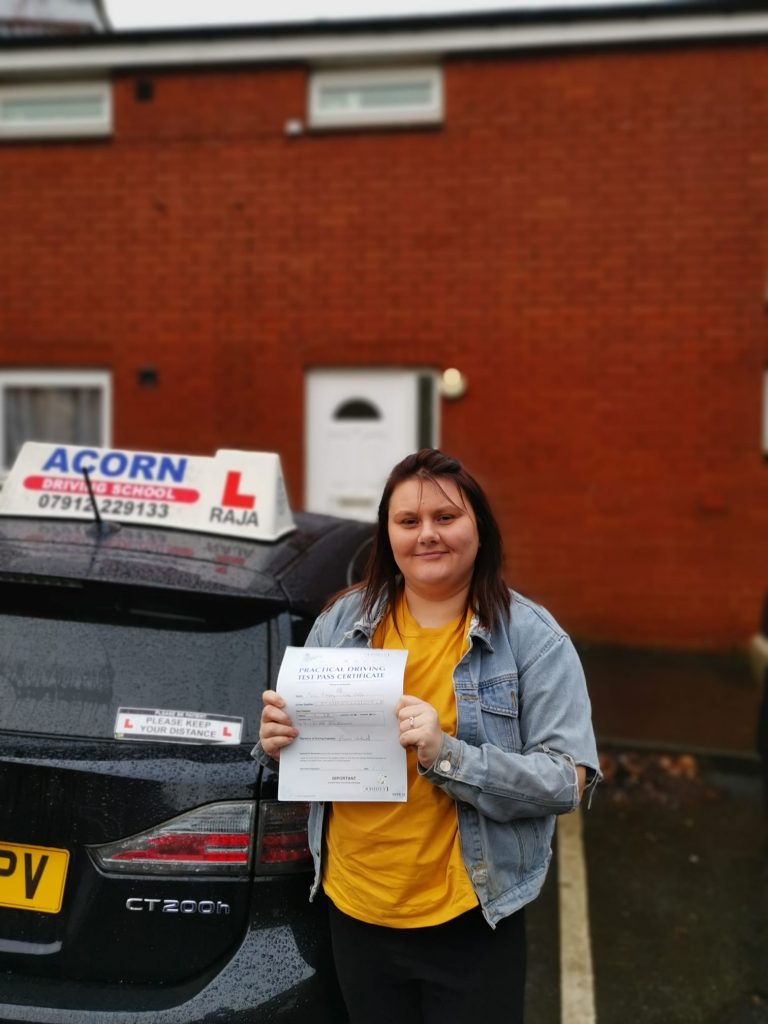
Understanding Nervous Drivers
Learning to drive is a major milestone, but for many people, especially nervous drivers, it can feel overwhelming. Anxiety around driving is more common than most think. It may stem from fear of the unknown, past negative experiences, or simply a lack of confidence. The good news is that nervous drivers can absolutely learn to drive successfully with the right guidance and support.
Driving instructors who specialize in working with nervous students understand the extra patience, empathy, and structure needed to build trust. They offer reassurance, keep instructions calm and clear, and create a safe space where learners feel free to ask questions and make mistakes without judgment.
Choosing the Right Instructor
One of the most important steps for a nervous driver is selecting a driving instructor who has experience working with anxious learners. A good instructor will never rush the process. Instead, they’ll adjust their teaching style to suit your pace, focusing on gradual exposure to new skills and situations.
Look for instructors who emphasize confidence-building. Many offer an initial consultation lesson so you can meet them and get a feel for their approach before committing to a full course. Reading reviews and asking for recommendations can also help you find someone who understands how to support nervous drivers effectively.
Step-by-Step Learning
The key to helping nervous drivers gain confidence lies in structured, progressive learning. Lessons should start in quiet areas, such as empty car parks or residential streets, to help build basic control without distractions. As confidence grows, more complex scenarios like roundabouts or dual carriageways can be gradually introduced.
Breaking down driving into small, manageable steps allows learners to master one task before moving on to the next. Repetition of core driving skills, such as clutch control, mirror checks, and turning, helps reinforce knowledge and reduce anxiety.
Positive reinforcement plays a big role here. Acknowledging progress and celebrating small wins keeps learners motivated and helps shift their mindset from fear to capability.
Techniques to Manage Anxiety
Alongside driving practice, nervous drivers can benefit from anxiety-reducing techniques. Breathing exercises, mindfulness, and visualization can all help calm nerves before and during lessons. Some instructors also teach grounding techniques that students can use when they begin to feel overwhelmed behind the wheel.
Having a regular lesson schedule helps create a sense of routine and predictability, which in turn reduces stress. Also, discussing concerns openly with your instructor allows them to tailor lessons to address specific fears or anxieties, whether it’s fear of stalling, driving in traffic, or navigating roundabouts.
In some cases, nervous learners find it helpful to pair driving lessons with sessions from a therapist or counselor, especially if driving anxiety is part of a broader pattern of social or performance-related anxiety.
Flexible Lesson Options for Comfort
Flexibility can make a big difference for nervous learners. Choosing off-peak lesson times with less traffic, driving in familiar areas, or even opting for weekend sessions may help reduce pressure. Some learners find it easier to focus during longer lessons, while others prefer short, frequent sessions to avoid fatigue.
If you’re looking for flexible training opportunities, such as lessons that fit into a busy schedule, weekend driving lessons could be a great option. They allow learners to practice when roads are quieter and when they feel most comfortable, contributing to a more relaxed learning experience.
Building Confidence for the Road Ahead
Confidence doesn’t come overnight, especially for nervous drivers—but it does come with time, practice, and the right support. Every driver is different, and there’s no “one size fits all” when it comes to learning. What matters most is persistence and trusting the process.
With the right instructor, structured learning, and helpful techniques to manage anxiety, even the most nervous drivers can become safe, confident, and independent on the road. Taking that first step might be hard, but the journey ahead is worth it.